Dr. Chen, a distinguished dental professional, provides a comprehensive range of teeth bleaching and whitening services at our Greater Las Vegas Dental facility. Setting us apart from the rest, our commitment to your dental well-being extends beyond the in-office treatment, as we offer customized take-home bleaching trays for ongoing care and maintenance.
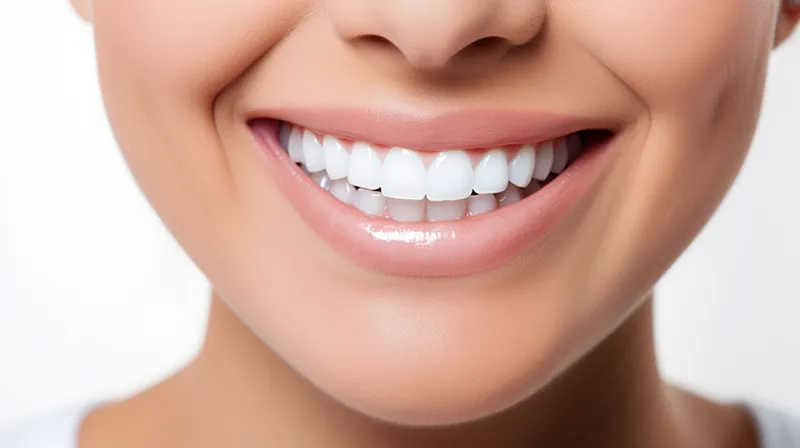
When it comes to making a lasting impression, a radiant smile can work wonders. However, over time, our teeth can lose their natural luster due to various factors like aging, diet, and lifestyle choices. Fortunately, teeth whitening treatments have become increasingly popular, offering a solution to restore the brilliance of your smile. In this article, we'll delve into the science behind teeth whitening and explore some effective methods to achieve that coveted dazzling smile.
Understanding the Science of Teeth Whitening
Before we jump into the methods, it's essential to understand why teeth can become discolored in the first place. Our teeth have an outer protective layer called enamel, which consists of a dense matrix of minerals. The color of your teeth depends on the reflection and scattering of light off the enamel, combined with the color of the dentin beneath it.
Teeth can become discolored due to:
- Extrinsic Stains: These are surface stains caused by the accumulation of pigmented molecules from foods, beverages (like coffee, tea, and red wine), and tobacco. Poor oral hygiene can also lead to extrinsic staining.
- Intrinsic Stains: These are stains that occur within the tooth's structure. They can result from aging, trauma, certain medications, or excessive fluoride exposure during tooth development.
Methods of Teeth Whitening
Now that we understand the causes of tooth discoloration, let's explore two common methods of teeth whitening:
In-Office Professional Teeth Whitening
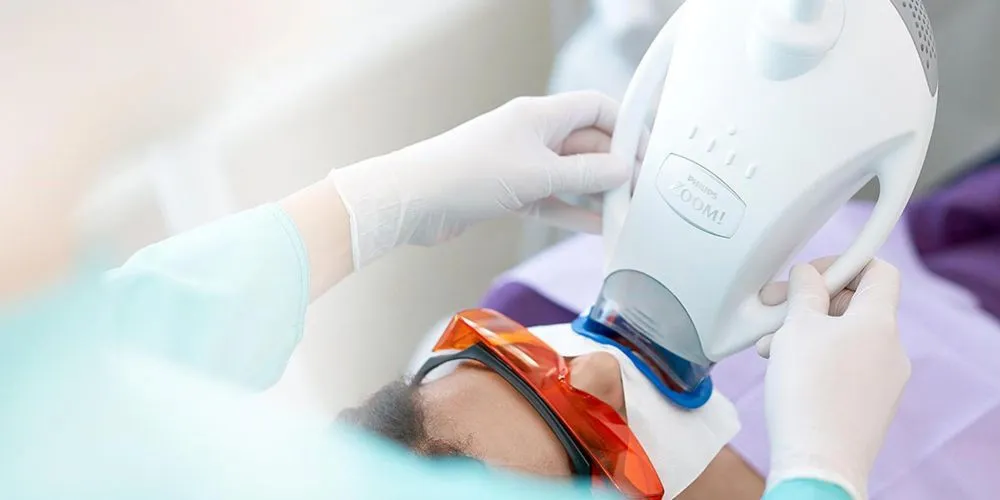
Professional teeth whitening procedures performed in a dental office are considered one of the most effective and efficient ways to achieve a brighter smile. Dentists use a higher concentration of whitening agents compared to over-the-counter products. Here's how it works:
- A protective barrier is applied to your gums to prevent any irritation.
- A potent whitening gel, typically containing hydrogen peroxide or carbamide peroxide, is applied to your teeth.
- A specialized light or laser may be used to activate the whitening agent and accelerate the process.
- The process is usually completed in one or more sessions, depending on the severity of the staining.