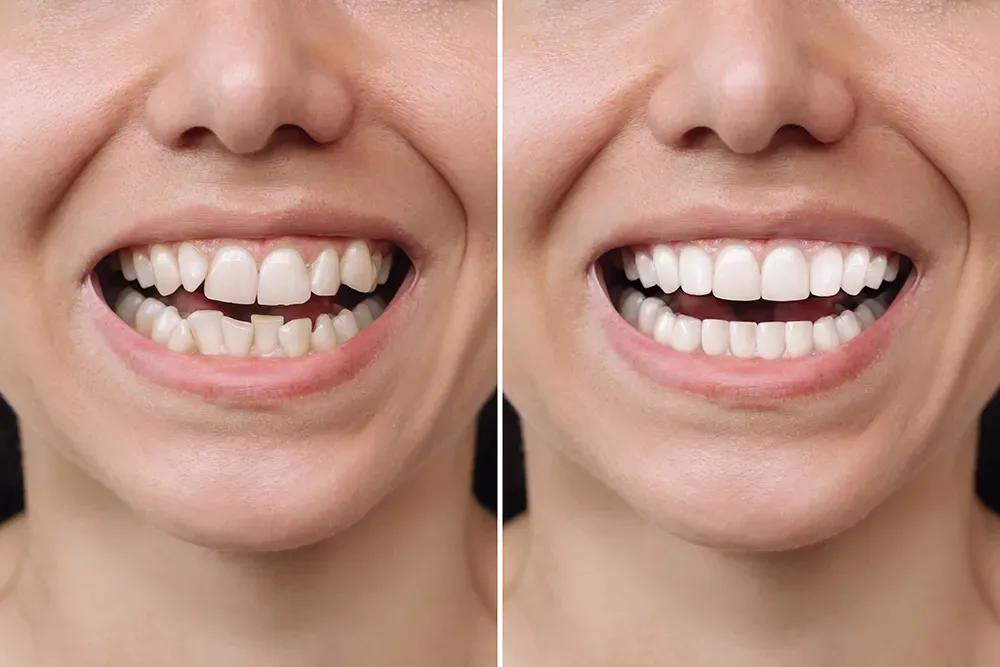
In the realm of orthodontics, the emergence of clear aligners has sparked a transformative shift, offering individuals an aesthetically pleasing and comfortable alternative to traditional braces. As with any choice in healthcare, understanding the pros and cons is crucial for informed decision-making.
Pros of Clear Orthodontic Aligners:
1. Aesthetic Appeal and Comfort: Clear orthodontic aligners have gained acclaim for their nearly invisible design, providing a discreet solution for individuals conscious of the aesthetic impact of orthodontic treatment. The materials used in clear aligners are typically smooth and comfortable, minimizing the irritation and soreness often associated with metal braces.
2. Removability and Improved Oral Hygiene: A significant advantage of clear aligners lies in their removability. This feature not only makes eating more convenient but also simplifies oral hygiene practices. Users can easily remove the aligners for cleaning, promoting better brushing and flossing habits and reducing the risk of dental issues compared to traditional braces.
3. Predictable Treatment Plans: Clear aligners are crafted using advanced digital technology, offering users a detailed treatment plan. This allows patients to visualize and comprehend the anticipated progress of their teeth alignment from the onset, providing transparency and understanding throughout the treatment process.
Cons of Clear Orthodontic Aligners:
1. Cost and Compliance Dependence: While clear aligners offer numerous benefits, they can come at a higher cost compared to traditional braces. Additionally, the success of the treatment relies heavily on patient compliance. Strict adherence to wearing the aligners for the recommended 20-22 hours per day is essential for optimal results, and failure to comply may result in a lengthened treatment time or less effective outcomes.
2. Not Suitable for All Cases: Clear aligners may not be the ideal solution for complex orthodontic cases. In situations where more extensive correction is required, traditional braces might prove to be more effective. An orthodontic professional can assess individual cases to determine the most suitable treatment option.
3. Initial Discomfort and Speech Issues: Users of clear aligners may experience temporary discomfort during adjustments, a normal part of the adaptation process. Additionally, some individuals report a brief period of speech adjustment when first using clear aligners. However, most users quickly adapt, and these issues are typically transient.
In the landscape of orthodontic choices, the decision between clear aligners and traditional braces is nuanced and personal. Individual preferences, specific orthodontic needs, and lifestyle considerations all play a role. Consulting with an orthodontic professional is a crucial step to receiving personalized guidance based on an individual's unique circumstances, ensuring a confident and informed journey toward a straighter smile.