
Unmasking the Harsh Reality of Smoking
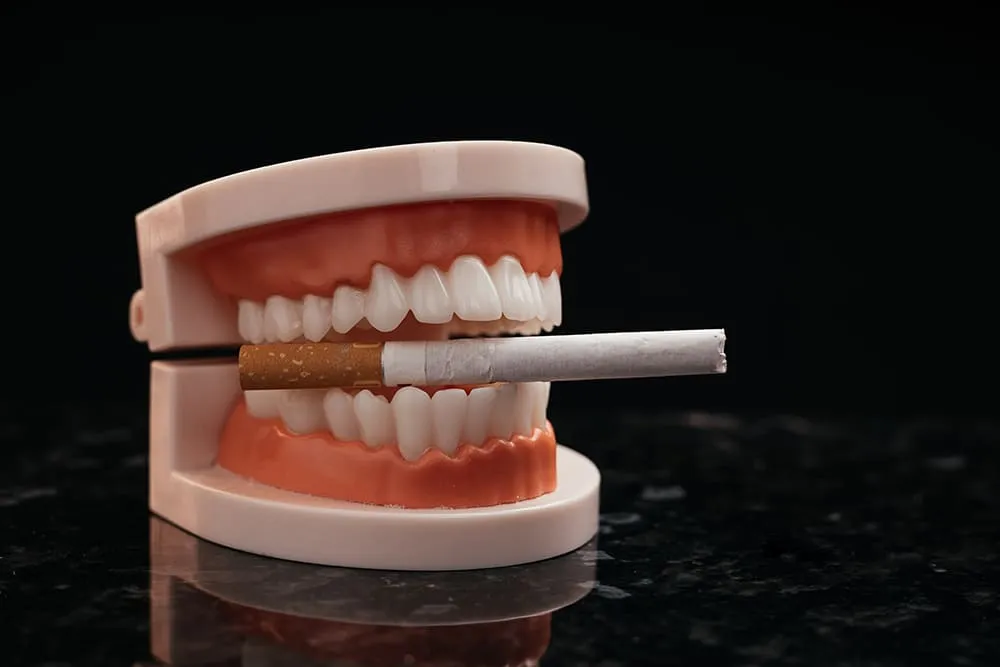
Uncover smoking's oral health risks: stained teeth, gum disease, oral cancer. Quit today for a healthier smile!
Read more →
Oral health is a fundamental aspect of our overall well-being, encompassing a broad spectrum of conditions that can affect our mouth, teeth, and gums. Two common yet distinct issues in the realm of oral health are oral cancer and tooth decay. While these conditions may seem unrelated, they share some important connections that we need to explore. In this article, we will delve into the basics of oral cancer and tooth decay, and how they are interrelated, all from a professional dental perspective.
Understanding Oral Cancer
Oral cancer, often referred to as mouth cancer, is a serious medical condition that occurs when there is uncontrolled growth of malignant cells within the oral cavity. The oral cavity includes the lips, tongue, gums, inner lining of the cheeks, and the roof and floor of the mouth. It is a diverse group of cancers that can manifest in various ways, including squamous cell carcinoma, adenocarcinoma, and more. Risk factors for oral cancer include tobacco use, excessive alcohol consumption, HPV infection, sun exposure, age, and gender. Early detection is crucial for successful treatment, which often involves surgery, radiation therapy, and sometimes chemotherapy.
Understanding Tooth Decay
Tooth decay, also known as dental caries or cavities, is a common dental issue characterized by the demineralization and destruction of tooth enamel. It is a multifactorial process primarily driven by oral bacteria, dietary factors, and poor oral hygiene practices. Risk factors for tooth decay include poor oral hygiene, diet, dry mouth, genetics, and age. The early signs of tooth decay may include tooth sensitivity, mild discomfort when eating or drinking, and visible white spots on the teeth. As the decay progresses, it can lead to cavities, toothaches, and even abscesses.
The Connection Between Oral Cancer and Tooth Decay
While oral cancer and tooth decay may seem unrelated, there is a significant interplay between them. Understanding this relationship is crucial for comprehensive oral health management. Both conditions share some risk factors, such as tobacco and alcohol use, which can increase the likelihood of both oral cancer and tooth decay simultaneously. Treatments for oral cancer, including surgery and radiation therapy, can affect salivary gland function and lead to dry mouth, making individuals more prone to tooth decay. Dentists play a vital role in the early detection of both oral cancer and tooth decay. Regular dental check-ups and screenings are essential for identifying any abnormalities in the mouth, whether they are early signs of tooth decay or potential oral cancer lesions. By recognizing this relationship and implementing preventive measures, we can strive to maintain optimal oral health and overall well-being. Regular dental check-ups and a commitment to good oral hygiene are paramount in this endeavor, ensuring that you have a smile that is both healthy and radiant.
Warning signs include a sore or ulcer in the mouth that doesn’t heal within two weeks, white or red patches, a lump or thickening in the cheek or neck, persistent hoarseness or sore throat, trouble chewing or swallowing, and numbness in the mouth or lips. See a dentist or doctor promptly if any of these last more than two weeks.
The main risk factors are tobacco use, heavy alcohol use and HPV infection. Frequent sun exposure raises the risk of lip cancer, and risk increases with age. Oral cancer can also occur in people with none of these risk factors, which is why routine screenings matter.
Yes. An oral cancer screening is part of a routine dental exam. The dentist looks at and feels the lips, tongue, cheeks, gums, roof and floor of the mouth, and the neck and jaw for anything unusual. It takes only a few minutes and is painless.
Only at its very earliest stage. White spots on the enamel can sometimes be remineralized with fluoride and better brushing and diet. Once decay breaks through the enamel and forms a cavity, the damage is permanent and needs a filling or other restoration.
Uncover smoking's oral health risks: stained teeth, gum disease, oral cancer. Quit today for a healthier smile!
Read more →Discover how diet impacts oral health. Learn about sugar's effects, calcium's benefits, crunchy foods as natural cleansers, and water's role in dental care.
Read more →Keep your smile bright this holiday! Discover Thanksgiving foods that promote oral health and schedule your post-feast checkup at Greater Las Vegas Dental.
Read more →
Let’s talk
Request an appointment and our team will be in touch shortly.