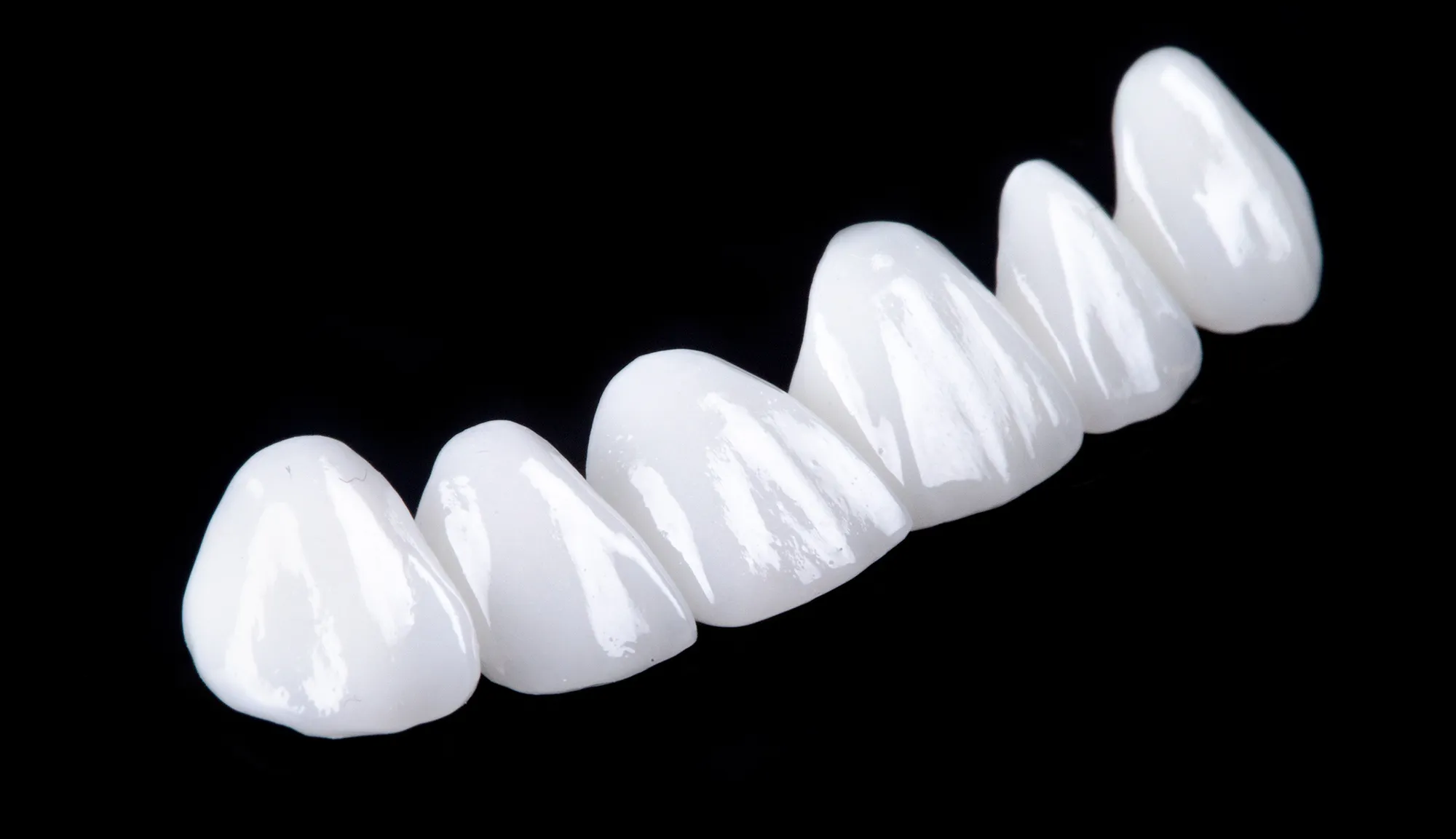
Dental bonding, also known as composite bonding, is a cosmetic dental procedure designed to address a range of dental imperfections. It involves the application of a tooth-colored resin material to repair chipped or cracked teeth, close gaps between teeth, mask stains, reshape misshapen teeth, and protect exposed tooth roots. This versatile and cost-effective treatment offers immediate results with minimal tooth alteration, making it a popular choice for smile enhancement.
The dental bonding procedure is relatively quick, often completed in a single visit to your dentist. It begins with a consultation and dental examination to create a personalized treatment plan. The dentist prepares the tooth, applies the resin material, sculpts it to the desired shape, and finishes with polishing. The result is a natural-looking tooth that blends seamlessly with your other teeth.
While dental bonding offers various benefits, including affordability and a minimally invasive process, it's essential to note some potential drawbacks. The bonded teeth may stain over time, and the treatment's durability may require replacement every 5-10 years. Regular dental check-ups and proper aftercare, such as limiting stain-causing substances and avoiding habits that could damage the bonded teeth, are crucial to ensuring the longevity of your enhanced smile.